26 November 2026
Details to check before a Barcelona helicopter flight
Presented by @helicoptertourbarcelonainsight
A helicopter flight over Barcelona is the kind of outing where small details matter. The city looks different from above: the street grid, the coastline, the harbour and the landmarks all line up in a way that is hard to grasp from ground level. A little preparation helps you choose a flight that suits your time, budget and sense of comfort.
Before booking, look beyond the headline and think about what the experience actually includes. A short flight and a longer route can feel very different, even when both promise views of the same city. The best choice depends on how much you want to see, how clear you want the commentary to be and how much time you can spare around the flight itself.
Route and what you will actually see
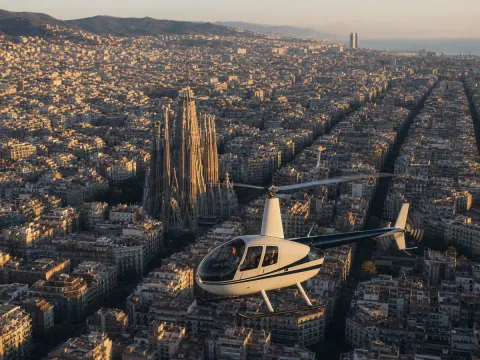
Start with the flight route. Some routes focus on the historic centre, others follow the water, and some combine both. If seeing Sagrada Familia from the air is high on your list, check that it is part of the planned path rather than assuming every city flight passes over it. The same applies to Montjuïc Castle and the Port of Barcelona. A route that mentions a landmark is more useful than one that only says panoramic views.
Also consider the angle of the aerial view. A flight along the Barcelona coastline gives a broad sense of the city beside the sea, while a route over the centre gives a closer look at blocks, avenues and architecture. Neither is automatically better. The right choice depends on whether you want recognition of famous sights or a wider picture of the city and its setting.
If you are comparing options on helicoptertourbarcelona.com, read the route description carefully and note the order of the main sights. That can tell you whether the flight is mostly urban, mostly coastal or a balanced route. It can also help you judge whether the flight will feel calm and scenic or busy with constant changes of direction.
Flight duration and total time commitment
Flight duration is another point to check in plain terms. The time in the air is not always the same as the total time you should set aside. Arrival, check in, safety briefing, boarding and time after landing all add to the visit. A brief flight can still make sense if the route is well chosen, but it is wise to know what portion of the visit is actual flying.
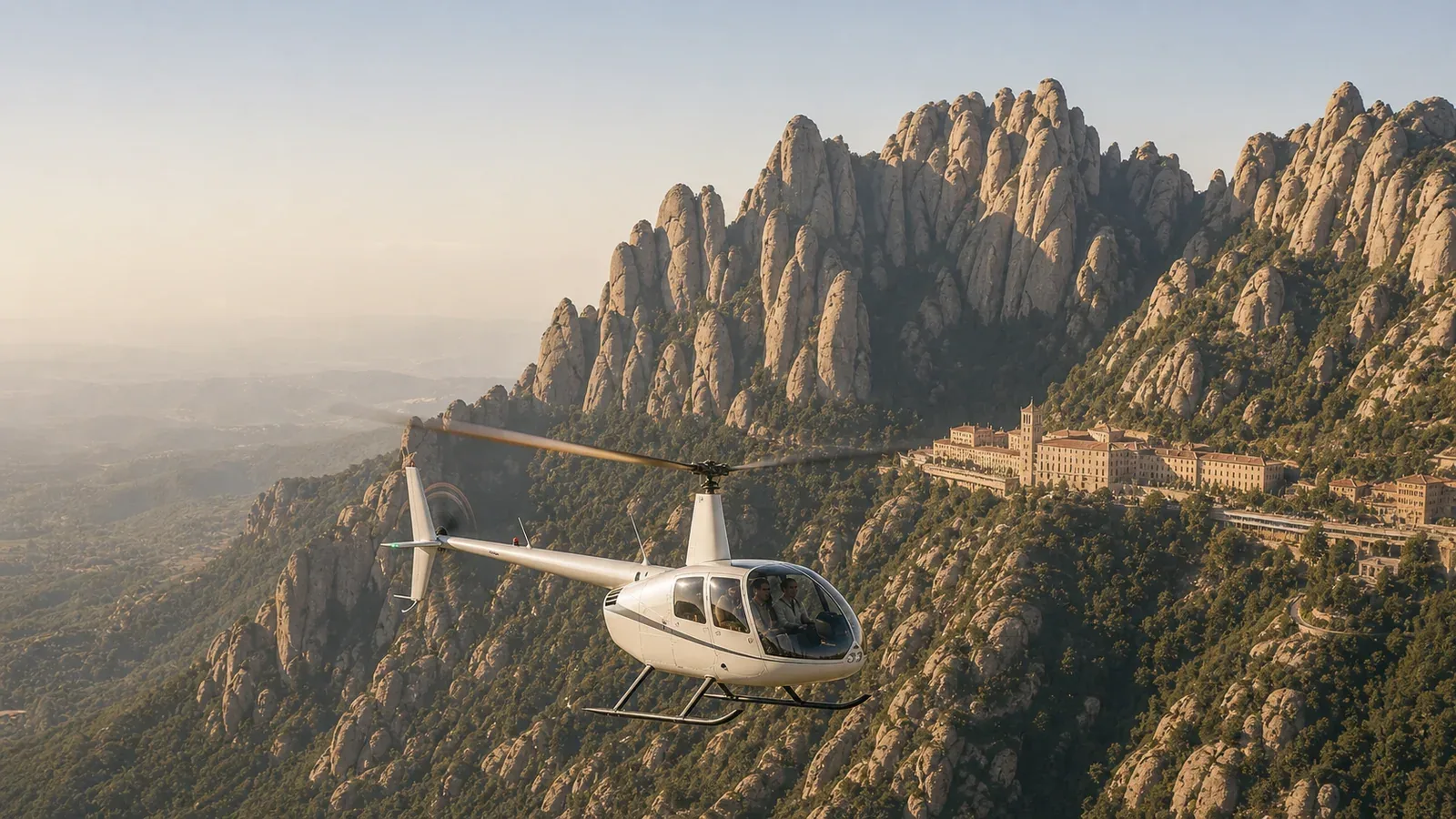
Think about the rest of your day as well. If the flight is one part of a packed itinerary, allow breathing room before and after it. Rushing to a helipad can turn an enjoyable booking into a stressful one. A flexible slot gives you time to arrive, ask questions and settle in without watching the clock.
It also helps to compare duration with route content. A longer flight is not always better if much of it covers areas you are not interested in. A shorter route with clear views of the places you care about may be more satisfying than a longer one with long stretches of open water or distant landmarks.
Meeting point and arrival details
The meeting point matters more than many people expect. Check the helipad location, how to get there and what time you should arrive. A central meeting point can be convenient, but traffic and crowded streets can still slow you down. A location near the water may be easy to enjoy before or after the flight, yet it may take longer to reach from your accommodation.
Look for clear directions and arrival instructions. You want to know whether to wait at a specific entrance, follow a member of staff or report to a named desk. This is not about fussiness. It is about avoiding the common problem of standing in the wrong place while the group moves on.
When reading details on helicoptertourbarcelona.com, pay attention to any information about where the flight begins and what happens after check in. If the meeting point differs from the landing point, note that too. A small difference in location can affect your plans, especially if you have lunch, a train or another activity booked soon after.
Group size, seating and visibility
Seating can shape the experience. Ask how seats are arranged and whether all passengers have a reasonable view. In a small aircraft, one person's position can make a noticeable difference to photos and sightlines. If you are flying with children, a partner or a group, it is worth checking whether you can sit together.
Weight limits may also apply, both for individuals and for the group as a whole. These rules are normal in aviation and exist for safe operations. If a limit is listed, read it before booking and provide accurate details when asked. This avoids awkward changes at the last minute and helps the operator plan the flight properly.
Group size affects the mood of the flight. A smaller group may feel more personal, while a larger one can make the price easier to justify but may mean less space and more varied expectations. Think about what you want from the trip. Some people want quiet time to take in the aerial view, while others enjoy a shared outing with plenty of conversation.
Safety, weather and aircraft information
Safety information deserves a careful read. Look for clear details about the briefing, seat belts, boarding rules and what passengers should do before and during the flight. The briefing is not a formality. It explains how to move around the aircraft, what to avoid and what to do if conditions change.
Weather can affect visibility and comfort. A clear day makes landmarks easier to recognise and gives better conditions for photos. Cloud, haze or strong wind can change how the flight feels and may lead to a delay or rescheduling. If the booking terms mention weather-related changes, read them before you commit, especially if your visit to Barcelona is short.
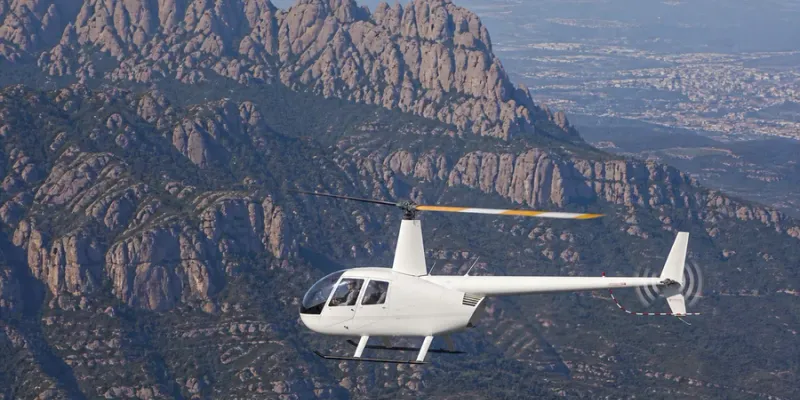
Aircraft details can be useful without becoming overly technical. You do not need to compare every model, but it helps to know the general type of helicopter used and whether the flight is private or shared with other passengers. That information gives context for the view, the noise level and the overall feel of the trip.
Photos, language and on-board commentary
For many travellers, photos are part of the appeal. Check whether there are practical restrictions on cameras, phones or large bags. Many visitors fly with a phone, but a secure grip and a clear plan for lens cleaning can make a difference. Windows and frames may reflect light, so a polarising filter can help if photography is a priority.
Commentary is another detail worth checking. Some flights include explanation of landmarks, while others are quieter. If you enjoy learning about the city, look for a route with narration in a language you understand. If you prefer a peaceful ride, that can be just as valid. The key is matching the flight style to your expectations rather than assuming every trip includes the same level of detail.
Timing can change the view. A morning flight may feel calm and give softer light, while a later flight may fit more easily around lunch or a museum visit. Sunset flights can be attractive, though they may also be more in demand. Choose a slot that works with the rest of your plans instead of forcing the day around one booking.
Booking terms and small practical points
Before confirming, read the terms attached to the booking. Focus on cancellation rules, changes, late arrival and what happens if the flight cannot operate as planned. This is not about expecting problems. It is about knowing where you stand if weather, travel delays or a change of plans interferes.
Check what is included and what is not. Transfers, photos, commentary and extra time at the meeting point may vary between options. A clear description helps you compare like with like. It also prevents small surprises that can linger after an otherwise memorable flight.
Accessibility is another practical point. If anyone in the group has mobility limits, check whether the helipad and boarding process can accommodate them. Ask before booking rather than on the day. Aviation settings often involve steps, narrow doorways and specific boarding procedures, so early clarification is sensible.
Final comparison before you reserve
Once you have the main details, compare your options in a simple way: route, flight duration, meeting point, group size and booking terms. These five points usually reveal more than a polished description alone. A flight over Barcelona should feel exciting, but the decision itself can be calm and methodical.
A good choice is not simply the longest flight or the one with the most famous names in its description. It is the one that gives you the view you want, fits your schedule and makes the practical side clear from the start. When those pieces line up, the experience is much easier to enjoy, from the first briefing to the last moments over the city.